What Causes Plantar Fasciitis and Its Common Symptoms?
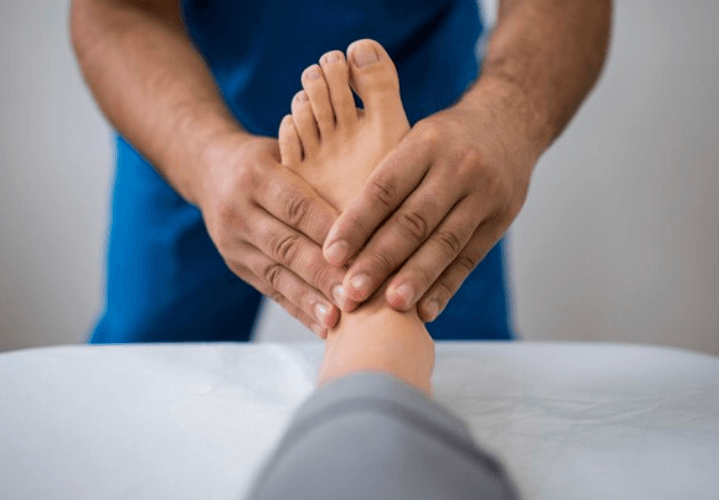
Plantar fasciitis is one of the most common causes of heel pain, especially among people who are active, on their feet often, or have improper foot mechanics. If you’re looking

trinityclinicsdocomate@gmail.com
+91-9319137179, 011-40000630
Ist Floor, B7/71, Sector 7, Rohini, Delhi, 110085

Plantar fasciitis is one of the most common causes of heel pain, especially among people who are active, on their feet often, or have improper foot mechanics. If you’re looking

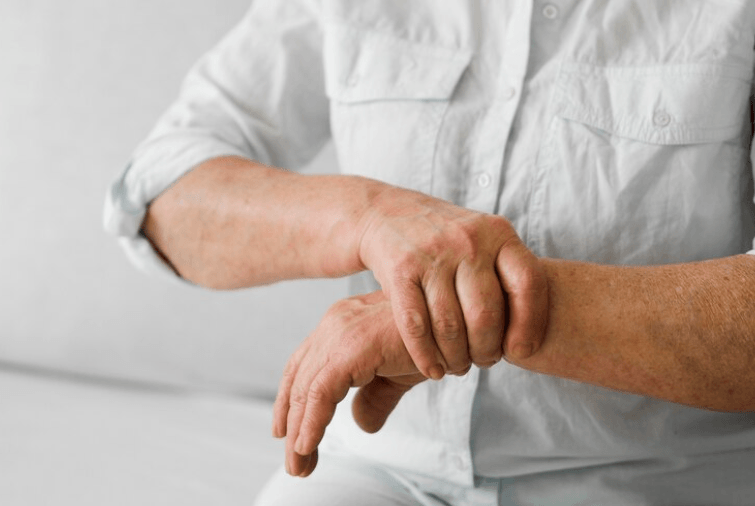
Tailbone pain can affect daily life more than people expect. From sitting at your desk to bending down for small tasks, discomfort in the lower back or coccyx area makes

Trigger finger is a painful condition where one of your fingers gets stuck in a bent position and may snap when you try to straighten it. This problem affects many

Frozen shoulder, medically known as adhesive capsulitis, is a painful condition where the shoulder joint becomes stiff and difficult to move. It typically develops slowly and can severely impact daily

Knee osteoarthritis is one of the most common joint conditions affecting people, especially those above 40. It results in pain, stiffness, and decreased mobility in the knee. Understanding what this

Tennis Elbow, medically known as lateral epicondylitis, is a painful condition affecting the outer part of the elbow. While it’s commonly associated with tennis players, it can happen to anyone

Hip pain can interrupt daily life. Whether it’s a dull ache or sharp discomfort, effective relief matters. Today, new treatment options like Platelet-Rich Plasma (PRP) and Prolotherapy are changing the

Low back pain is one of the most common reasons people visit pain specialists. While in many cases it may be due to muscle strain or poor posture, sometimes it

Myofascial Pain Syndrome (MPS) refers to a condition that leads to pain and discomfort in muscles and soft tissues. It develops when sensitive trigger points form within the muscle fibers,

When it comes to pain management, treatment is only one part of the complete care process. The real journey to relief begins after the procedure. Patients receive structured and thoughtful